
By David Ferris
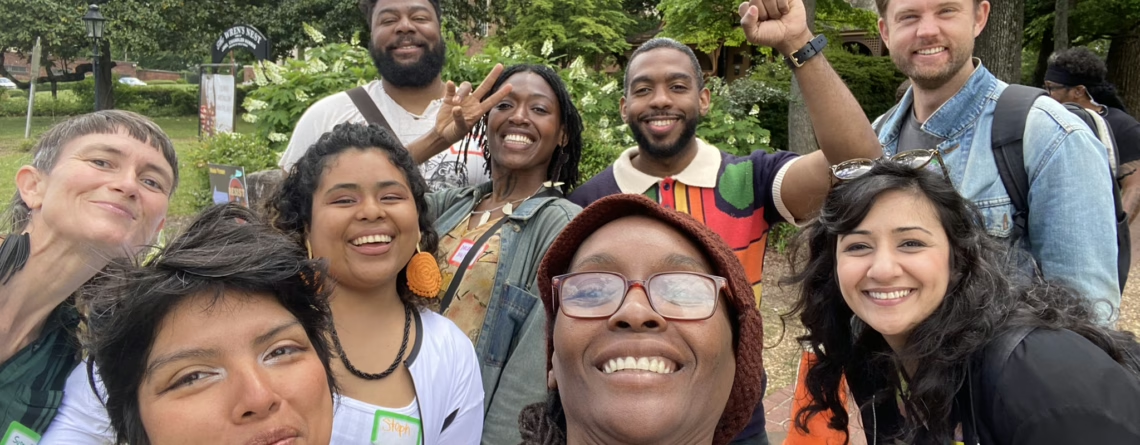
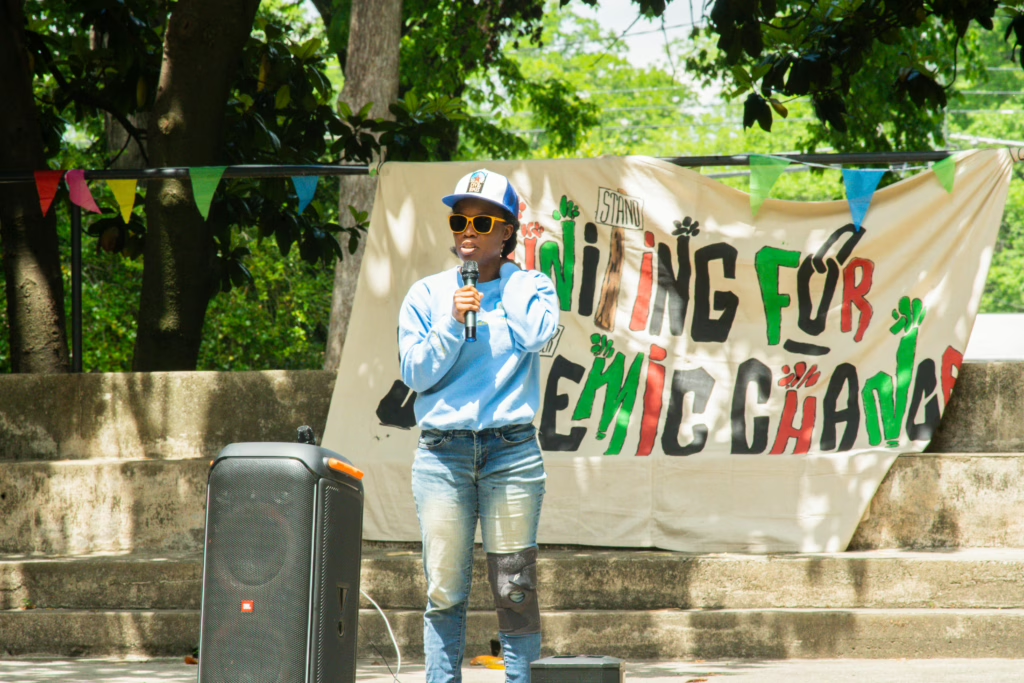
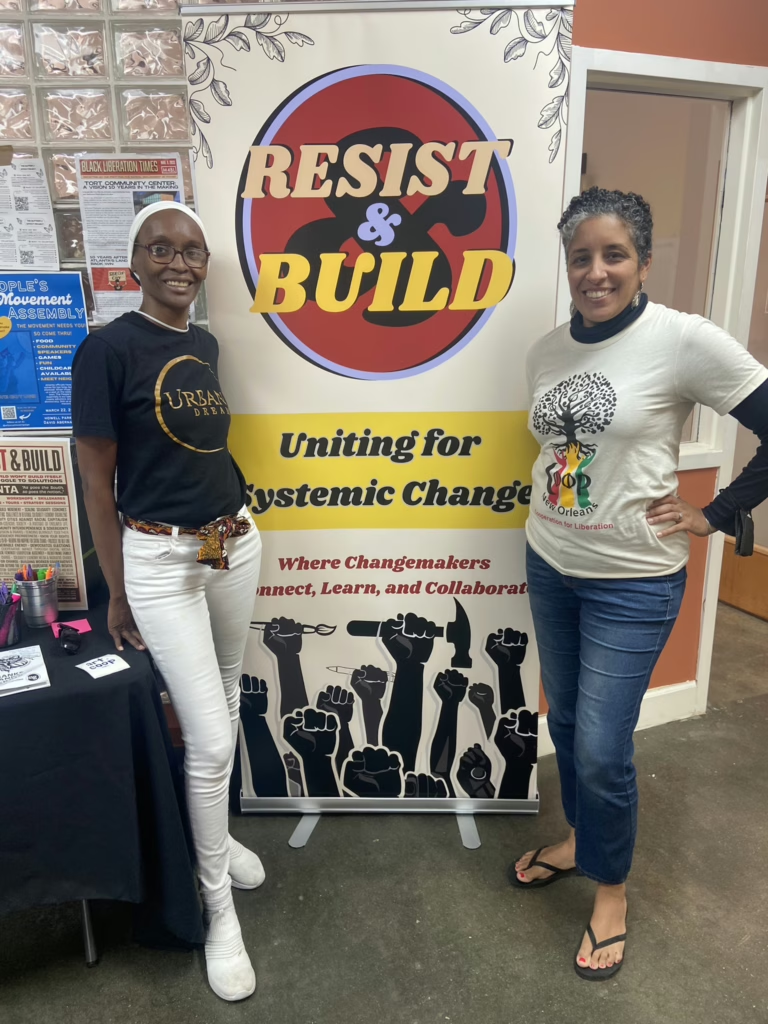
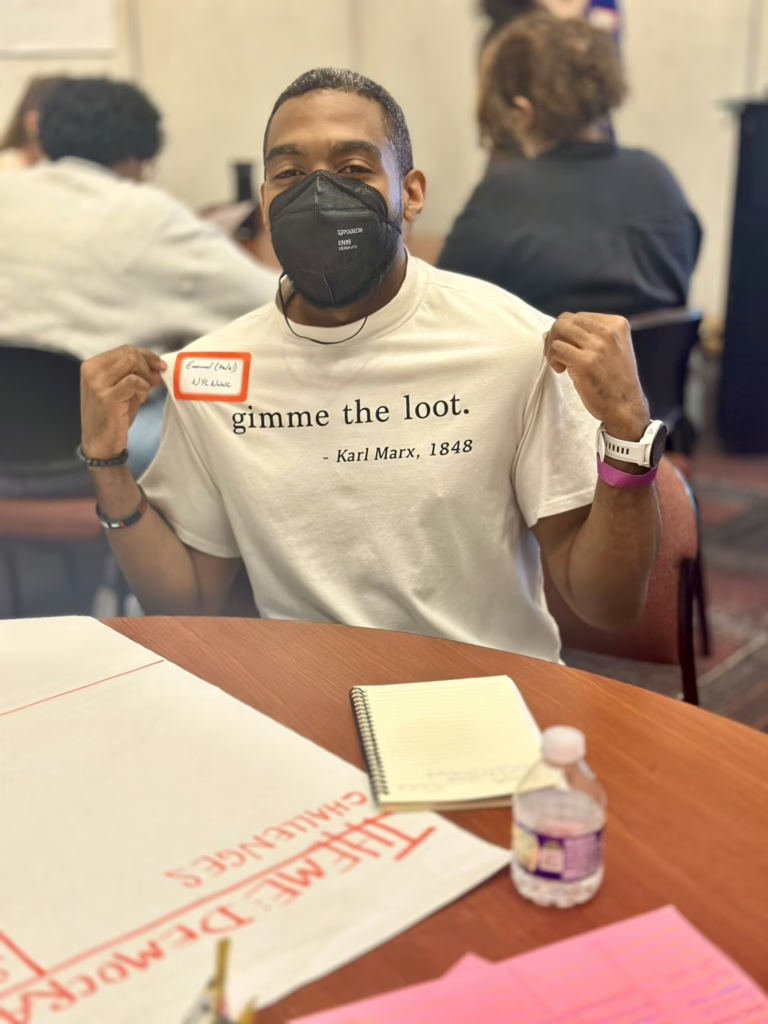
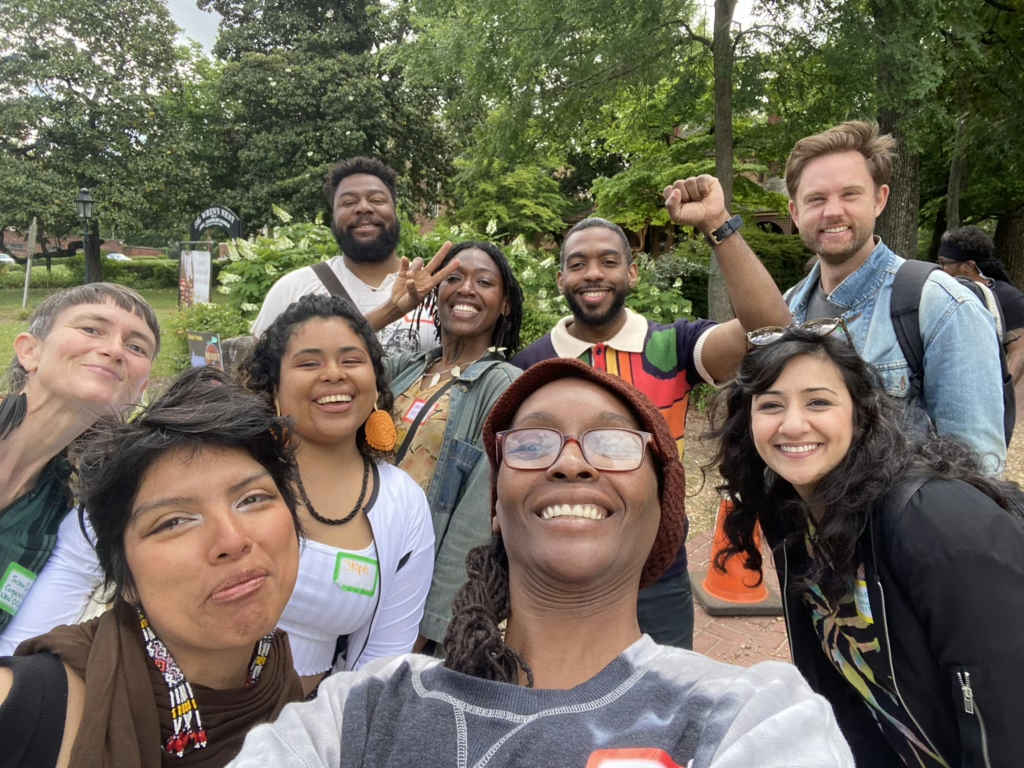
From May 2-5, 2025, over 300 activists, organizers, and community members gathered in Atlanta for the Resist & Build Summit, a convergence that positioned itself at the critical intersection of resistance to growing authoritarianism and construction of alternative systems. The multi-day event, held in Atlanta’s historic West End neighborhood, leveraged the city’s rich legacy of social movements to catalyze new collaborations and strengthen existing networks.
“We’re still buzzing from the brilliance, courage, and creativity that filled the space,” shared one member of the Summit Planning Circle. “This wasn’t just a conference—it was a living blueprint for liberation.”

Confronting Fascism Through Collective Power
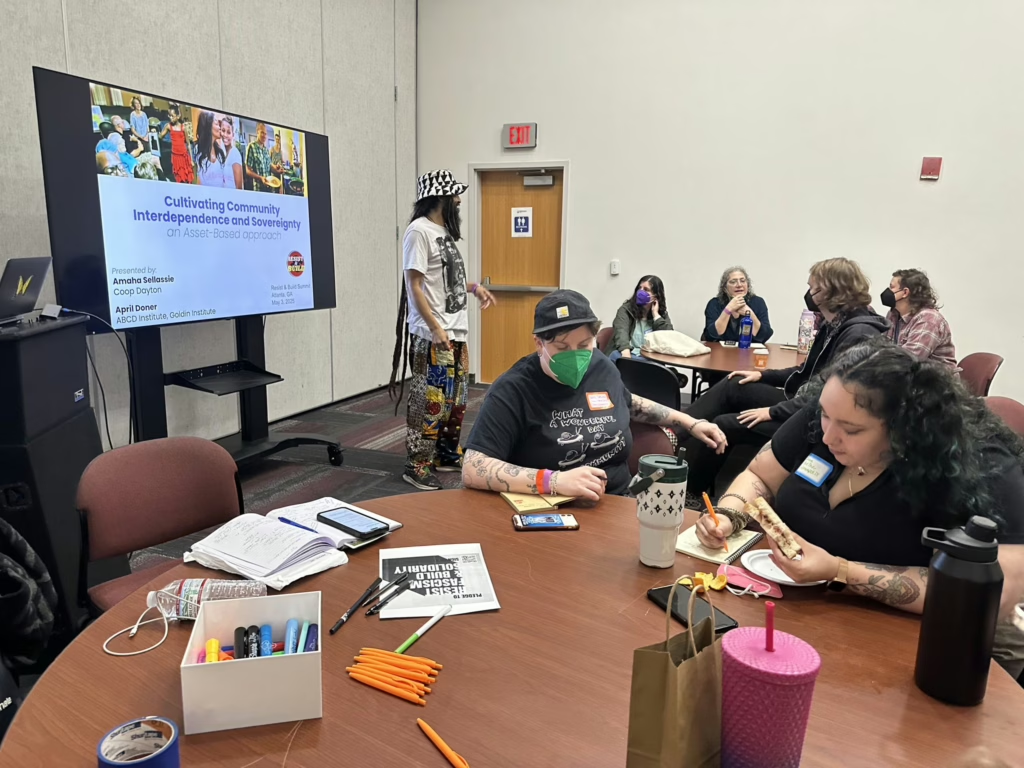
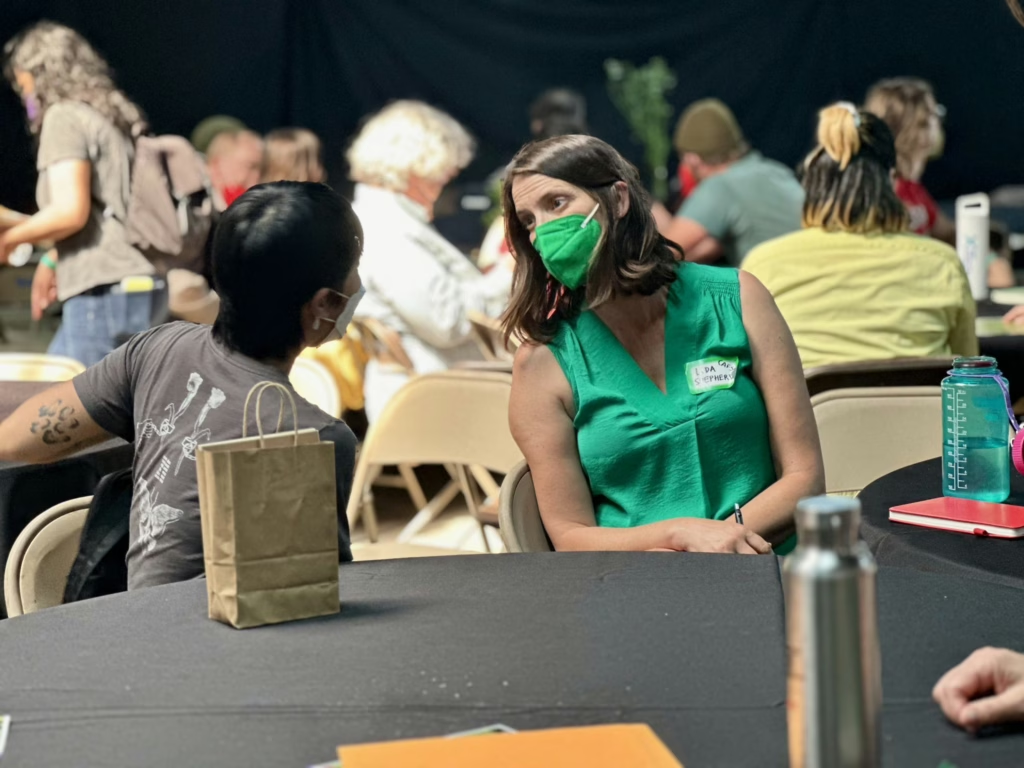
Against the backdrop of intensifying far-right movements globally, summit participants engaged in strategic sessions addressing the political moment head-on. Workshops offered concrete tools for community defense against ICE operations, economic boycott strategies, and frameworks for international solidarity.
Rather than approaching these challenges from a purely defensive posture, the summit framed resistance within a broader vision of transformation.
“The brilliance of this gathering was its refusal to separate fighting back from building forward,” noted one member of the Atlanta Host Circle. “Every conversation about what we’re against was paired with robust discussions about what we’re for and how we’re building the world we envision.”
Atlanta’s Movement Ecosystem Takes Center Stage
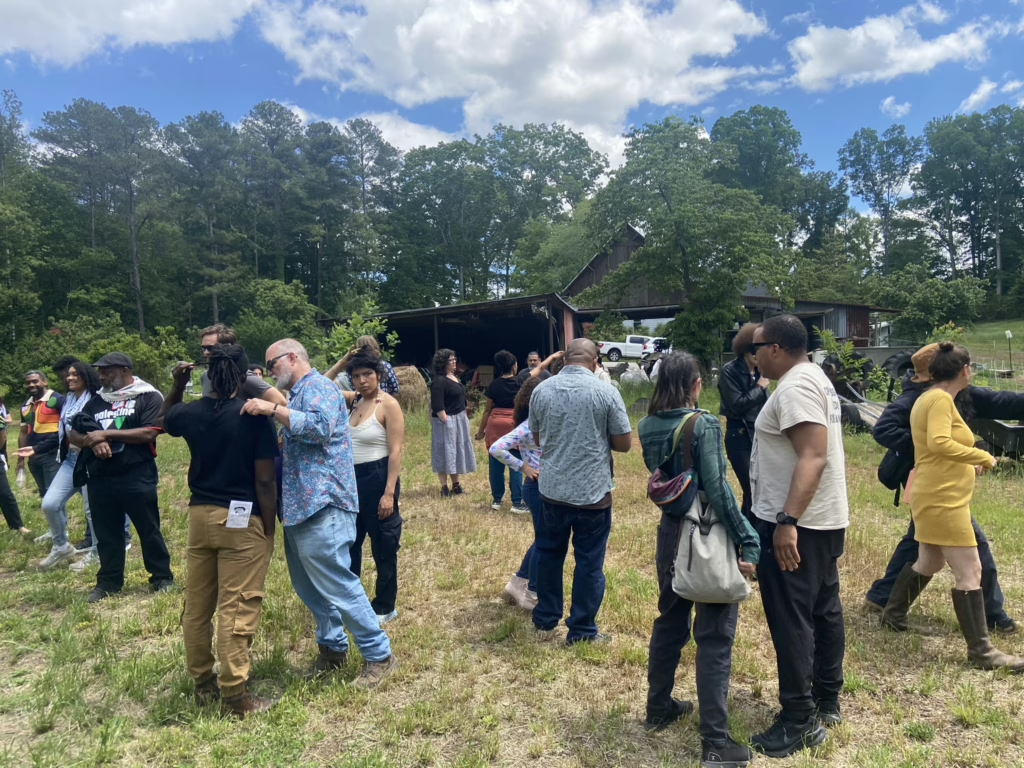
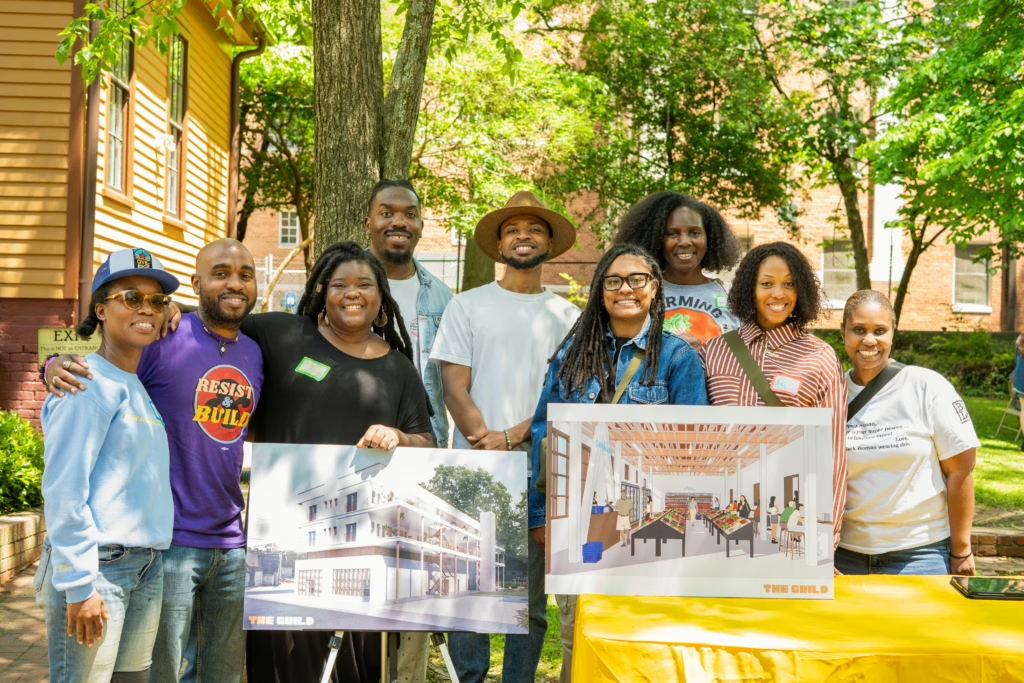
The summit’s location in Atlanta was no accident. Friday’s plenary connected local struggles—from Black freedom movements to Stop Cop City resistance and housing justice work—to national and international contexts. Participants gained firsthand experience through tours of the Community Stewardship Trust and People’s Community Land Trust, two initiatives demonstrating Atlanta’s advances in cooperative development and community-controlled land.
The summit also celebrated the addition of 19 new community investors into The Guild’s Community Stewardship Trust, representing a meaningful expansion of local democratic economic control.
Solidarity Economy in Practice
Beyond theoretical frameworks, the summit modeled economic solidarity through its own operations, directing more than $75,000 to local Atlanta small businesses—primarily Black, Brown, and worker-owned enterprises—and an additional $44,000 to solidarity economy and movement organizations.
Workshops mapped Black, Indigenous, and working-class strategies to democratize land, food systems, and resources, emphasizing divestment from exploitative systems and investment in regenerative alternatives.

Integrating Culture, Care, and Strategy
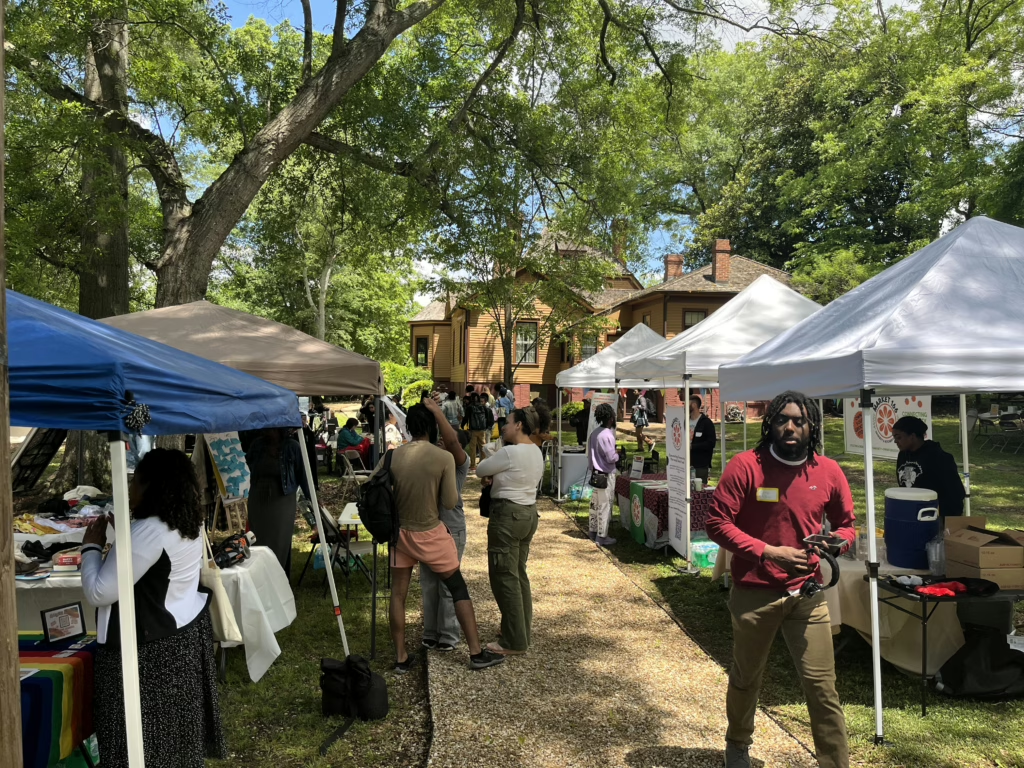
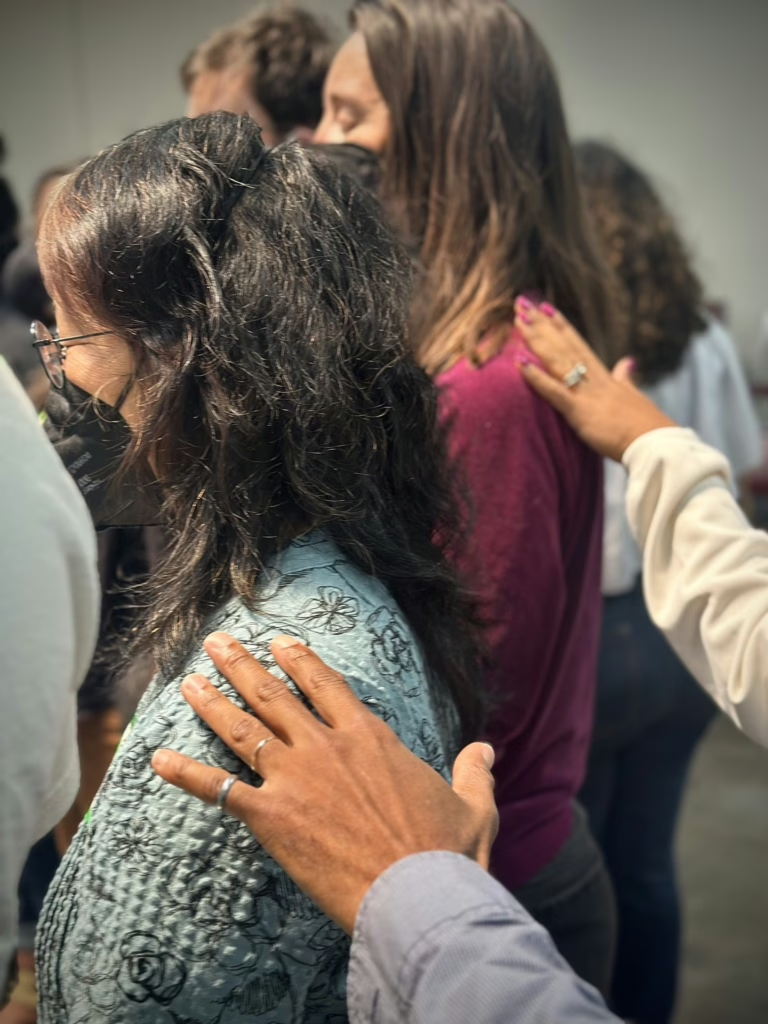
What distinguished the gathering from typical conferences was its intentional weaving of cultural work and collective care with strategic organizing. Decompression rooms and herb stations throughout the venue acknowledged the toll of movement work, while a “Carnival Beyond Capitalism” transformed the West End neighborhood into what organizers called “both classroom and celebration.”
The carnival featured African drumming, improvisational jazz, flower crown-making, and herbal mocktails, creating spaces where “resistance and joy danced together.” Such cultural expressions weren’t positioned as mere add-ons but as essential components of movement building.
Launching New Movement Infrastrucresiture
The summit served as a platform for launching significant new initiatives:
- “No More Suppressed Solidarity,” a campaign supporting Gaza and resisting political repression, secured over 80 organizational signatories to its open letter
- The US Solidarity Economy Network unveiled its “Pledge to Resist Fascism and Build Solidarity”
- Movement infrastructure was strengthened through revitalized Political Education and Politics/Policy Circles
- New Safety/Security and Land/Food Sovereignty Circles were established
- A “Catalytic Thinking” framework helped strategy session participants reverse-engineer pathways from vision to implementation
Continuing the Work
Summit organizers emphasized that the gathering represented just one chapter in an ongoing story. Participants were invited to join a dedicated listserv, contribute to a collaborative network map, and continue relationships formed during the event.
“This wasn’t designed as a one-off event,” explained a Planning Circle member. “It was structured to deepen relationships and build capacity for the long haul.”
A swag shop created in partnership with Worx Printing Cooperative—a worker-owned, movement-aligned business—allows supporters to continue funding the work while showcasing commitment to the values of solidarity, self-determination, and community stewardship.
Grappling with Core Questions
Among the most significant contributions of the summit was its willingness to address challenging questions facing today’s movements: How do we effectively onboard new organizers? How do we address trauma and toxicity within movement spaces? How do we reindigenize relationships to land and labor?
“We don’t have all the answers,” acknowledged organizers, “but we’re living into answering these questions through our shared work.”
In a moment when both threats and possibilities loom large, the Resist & Build Summit modeled what organizers called “a different kind of power”—one rooted in relationships, collective care, and strategic vision. For the nonprofit sector, which often struggles to balance immediate needs with transformative goals, the summit offers valuable lessons in building infrastructure for the long-term work of social change.
For more information about the Resist & Build Summit and ongoing initiatives, visit resistandbuild.net or find all their links at linktr.ee/resistandbuild.
—
David Ferris is a facilitator and movement strategist who has designed and led social justice education programs for 15+ years with groups like The Guild, PeoplesHub, Highlander Center, Southern Movement Assembly, and the US Solidarity Economy Network.


Leave a Reply